

HOW 5R WORKS
Bringing the
science of “us” into
leadership practice.
5R connects social identity science, identity leadership principles and structured work with real groups in one coherent development process.
Explore the 5R journey
FROM SCIENCE TO PRACTICE
The ideas behind
5R, put to work.
Across three editions, The New Psychology of Leadership has developed the argument that leadership is a group process grounded in shared social identity.
5R translates this theoretical account into a coherent process of facilitated development, practice with real groups and supported reflection.

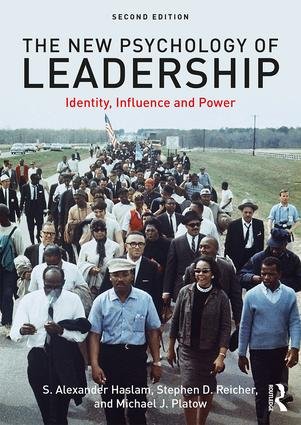
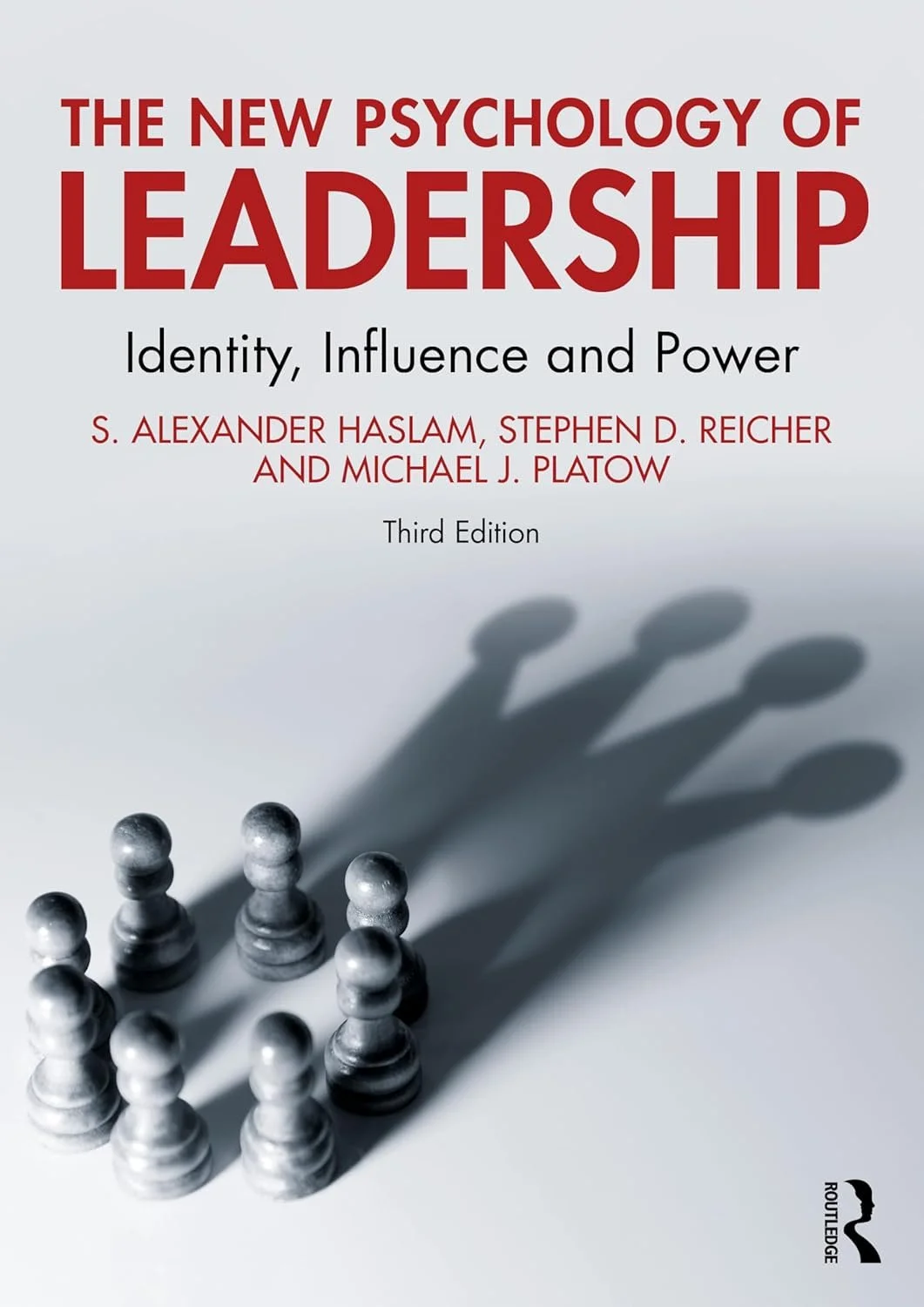
Three editions of a continuing research programme
A TYPICAL PARTICIPANT JOURNEY
Five connected modules. Learning applied with the group.
5R combines facilitated development with structured leadership practice and support. The sequence remains coherent, while timing, delivery and evaluation are co-produced with each organisation.
It is a connected translation process, not a leadership buffet of unrelated models, frameworks and activities.
Implementation is guided by SIMoLDI (McMillan et al., 2026).
BEFORE 5R
Participant online briefing
Clarify the programme purpose, commitments, expectations and what participants will need to do between facilitated days.
Baseline ILI assessment
Leaders and nominated team members complete the Identity Leadership Inventory (ILI), providing perspectives on creating, advancing, representing and embedding a shared sense of “us”. Other measures may be agreed for the engagement.
Baseline feedback and 1:1 debrief
Explore your report, consider your own perspective alongside team feedback and identify priorities to carry into 5R.
DAY 1
Readying
Why does ‘we’ matter?
Recognising social identity as a key resource for leadership.
Develop an understanding of leadership as a group process, how group membership shapes social identity and why shared identity matters, while recognising how their own experiences have shaped their assumptions about leadership.
LEADERSHIP IN PRACTICE
Apply the learning with the group.
COACHING OR REFLECTIVE PRACTICE
Reflect on emerging insights, challenges and implementation.
DAY 2
Reflecting
Who are ‘we’?
Understanding the social identities that matter to people.
Develop a shared picture of the identities, relationships and subgroup dynamics that shape the group.
Representing
What are we about and what do we want to be?
Clarifying what ‘we’ stand for.
Work with the group to clarify shared values, priorities and aspirations, and the identity content that gives ‘us’ meaning.
LEADERSHIP IN PRACTICE
Apply the learning with the group.
COACHING OR REFLECTIVE PRACTICE
Reflect on emerging insights, challenges and implementation.
DAY 3
Realising
How do we become what we want to be?
Turning shared identity into collective action.
Translate shared identity into collective goals, structures, practices and priorities that help the group move forward.
Reinforcing
How can we be better?
Sustaining shared identity over time.
Reinforce identity leadership in ways that remain healthy, inclusive and ethical, and support the group to continue learning and improving.
Terminology note. Earlier versions of 5R, including the programme described by Haslam et al. (2017), called the fifth module Reporting. The current programme uses Reinforcing to describe the ongoing work of sustaining shared identity in ways that are healthy, ethical and inclusive.
LEADERSHIP IN PRACTICE
Apply the learning with the group.
COACHING OR REFLECTIVE PRACTICE
Reflect on emerging insights, challenges and implementation.
AFTER 5R
Follow-up ILI assessment
Leaders and nominated team members repeat the ILI and other agreed measures. Follow-up reports bring baseline and follow-up feedback together to support reflection on change.
Follow-up feedback and 1:1 debrief
Review your feedback alongside your experience of applying 5R. Consolidate learning, consider what has changed and agree priorities for continuing the work.
START WITH THE CONTEXT
Where could 5R fit
within your leadership
development system?
5R can support a leadership cohort, an intact team or a wider organisational initiative. The right approach starts with the group, the context and the work that needs to be done.